bbc_world
其他
采集 2026-08-04T09:58:22+00:00

Why India's youth anger has become Modi's biggest challenge
来源
bbc_world
发布时间
2026-08-03T23:04:37
采集批次
2026-08-03-16
字数
8000
URL 指纹
b60c00b6cf71fd24
📄 正文(8000 字)
Gen-Z CJP protest: Why India's youth anger has become PM Modi's biggest challenge - BBC News [BBC Homepage](https://www.bbc.com) - [Skip to content](#main-heading) - [Accessibility Help](https://www.bbc.co.uk/accessibility/) - [Your account](https://account.bbc.com/account?lang=en-GB&ptrt=https%3A%2F%2Fwww.bbc.co.uk%2Fnews%2Farticles%2Fcm2gv4dgqv4o) - [Home](https://www.bbc.com) - [News](https://www.bbc.com/news) - [Sport](https://www.bbc.com/sport) - [Earth](https://www.bbc.com/future/earth) - [Reel](https://www.bbc.com/reel) - [Worklife](https://www.bbc.com/worklife) - [Travel](https://www.bbc.com/travel) - [Culture](https://www.bbc.com/culture) - [Future](https://www.bbc.com/future) - [Music](https://www.bbc.com/culture/music) - [TV](https://www.bbc.co.uk/schedules/p00fzl9m) - [Weather](https://www.bbc.com/weather) - [Sounds](https://www.bbc.co.uk/sounds) [More menu](#global-navigation-more-menu) [More menu](#global-navigation-more-menu) [Search BBC](https://www.bbc.com/search?d=NEWS_GNL) - [Home](https://www.bbc.com) - [News](https://www.bbc.com/news) - [Sport](https://www.bbc.com/sport) - [Earth](https://www.bbc.com/future/earth) - [Reel](https://www.bbc.com/reel) - [Worklife](https://www.bbc.com/worklife) - [Travel](https://www.bbc.com/travel) - [Culture](https://www.bbc.com/culture) - [Future](https://www.bbc.com/future) - [Music](https://www.bbc.com/culture/music) - [TV](https://www.bbc.co.uk/schedules/p00fzl9m) - [Weather](https://www.bbc.com/weather) - [Sounds](https://www.bbc.co.uk/sounds) [Close menu](#more-menu-button) [BBC News](/news) [Menu](#product-navigation-menu) - [Home](/news) - [Climate](/news/topics/cmj34zmwm1zt) - [World](/news/world) - [US & Canada](/news/world/us_and_canada) - [UK](/news/uk) - [Business](/news/business) - [Tech](/news/technology) - [Science](/news/science_and_environment) - [Entertainment & Arts](/news/entertainment_and_arts) - [Health](/news/health) [More](#product-navigation-more-menu) - [In Pictures](/news/in_pictures) - [BBC Verify](/news/bbcverify) - [Newsbeat](/news/newsbeat) - [Asia](/news/world/asia) - [China](/news/world/asia/china) - [India](/news/world/asia/india) # Why India's youth anger has become Modi's biggest challenge 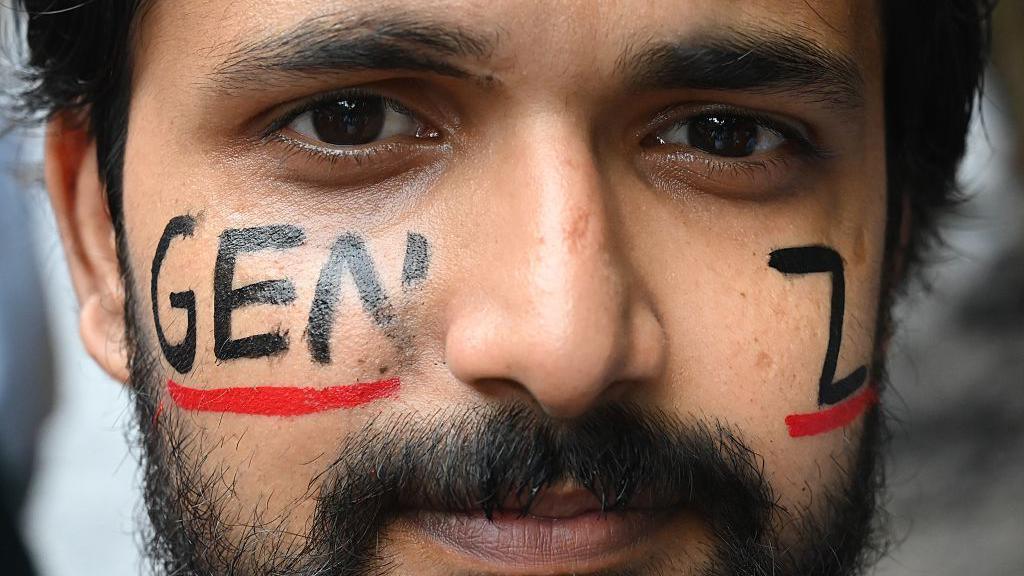Image source, Hindustan Times Image caption, Exam leaks and a shortage of opportunities have sparked some of the biggest youth protests in years in India ByNikhil Inamdar Reporting fromMumbai - Published 4 August 2026, 00:04 BST **Dharmendra Pradhan was forced to resign as India's education minister last month after angry Gen-Z protesters took to the streets over repeated entrance exam paper leaks.** His departure has allowed Prime Minister Narendra Modi to tide over an immediate crisis, but keeping youth discontent in check may well remain a long-term challenge for his government. While Modi quickly announced [fast-track courts , external](https://www.pmindia.gov.in/en/news_updates/pm-announces-fast-track-courts-for-paper-leak-cases-to-safeguard-the-future-of-youth/)to try those accused in the leaks and appointed tech billionaire Nandan Nilekani to lead a government effort to [reform](/news/articles/c1m1gz1nx45o) the examination system, a more concerted effort may be needed to quell the anxieties of the young, who say they are losing patience with a system that's unable to offer them better livelihood opportunities or education that leads to productive employment. "The labour market has become brutal in the last 10 years. Non-farm jobs have not been growing and real wages have stagnated," Santosh Mehrotra, a veteran economist and author of a new book India Out of Work: Rethinking India's Growth Story, told the BBC. "India has a simultaneous problem. The economy is structurally weak as a result of which demand for labour is not growing. And our education system is so poor, that it is unable to supply new labour that is employable." So far, rapid GDP growth fuelled by heavy state expenditure on infrastructure has been the government's default defence against criticism about the uneven nature of India's economic growth trajectory. But the upheaval of the last month may finally push them to confront the crisis in education and the challenge of youth unemployment, say experts. The "unprecedented growth in India's welfare state", particularly [direct cash transfers,](/news/articles/c0jy8zyn663o) is an indication, Mehrotra says, that at least privately the government has recognised the problem. But the task of fixing it is enormous. 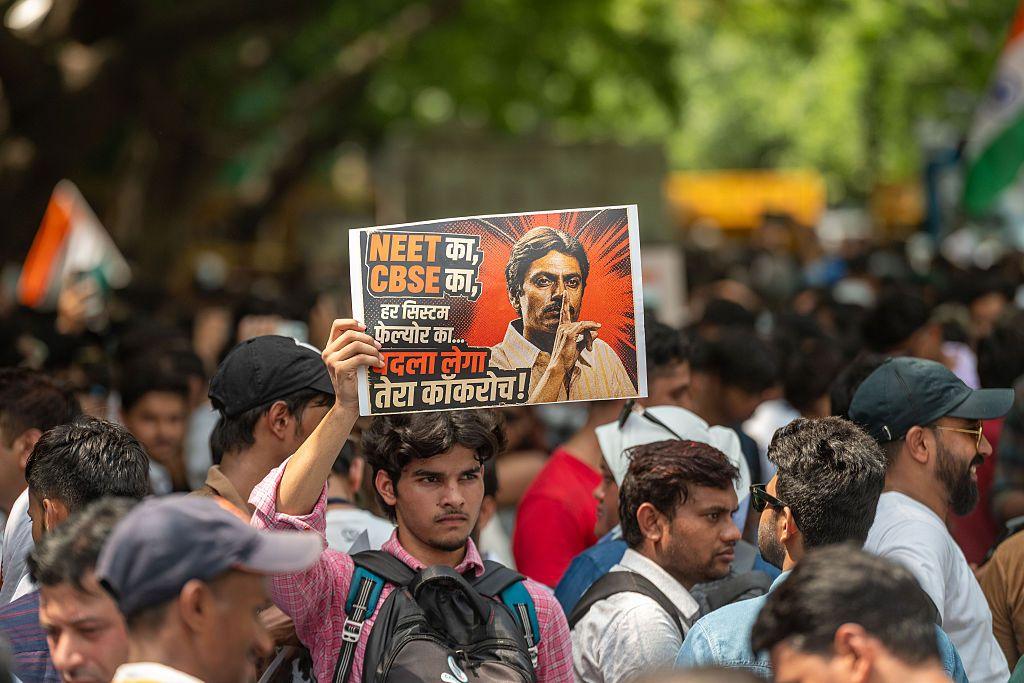Image source, Getty Images Image caption, India's Gen-Z protests forced the country's education minister to resign last month India has the world's largest youth population with over 360 million people between the ages of 15 and 29. There's been great progress in education enrolment and the number of private colleges and vocational training institutes have gone up exponentially in the last two decades. However, "the transition from education to employment remains a major challenge, particularly for graduates", according to the [State of Working India 2026 report , external](https://azimpremjiuniversity.edu.in/publications/2026/report/swi-2026)from Azim Premji University. Unemployment rates among the young are nearly four times higher than the non-youth and also much higher than global averages. The problem is not new. Graduate unemployment has hovered around the 35-40% level for the last 25 years. But it has been "magnified" in recent years owing to India's demographic surge - or a growing size of the population entering the workforce - and improved education outcomes. In 1983, 4% of 20 to 29-year-olds were graduates, and 13% of them were unemployed. In 2023, 28% were graduates and among them 67% were not employed. Quality of education remains a major challenge affecting employability while the expansion in the number of graduates has not been matched by commensurate growth in graduate employment. "Between 2004-05 and 2023, while approximately five million graduates were added each year, only around 2.8 million found employment, and an even smaller share entered salaried employment, contributing to rising graduate unemployment and slowing earnings growth," the report finds. Moreover, there is no evidence that aspiration is being rewarded. Barely 3.7% of graduates or post-graduates found white collar work and under 7% landed permanent salaried jobs, according to the report. 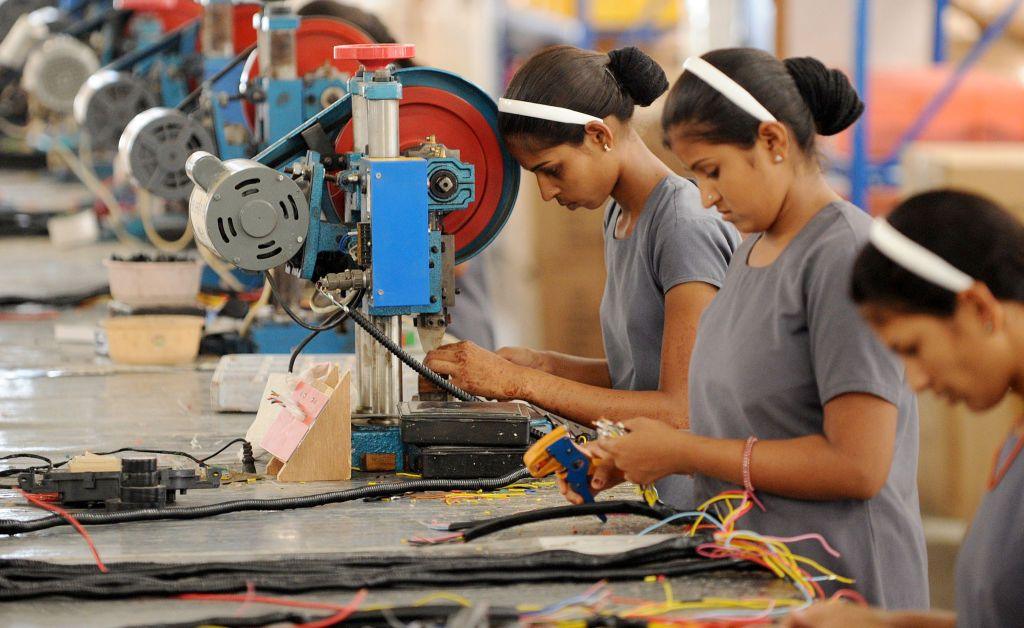Image source, Getty Images Image caption, Share of manufacturing in India's GDP has fallen in recent years, feeding into the jobs crisis This isn't a problem with short-term fixes. "Some jobs can definitely come from a quick revival of the small and medium sized industries (SMEs) which have been completely knocked out since ["demonetisation"](/news/world-asia-india-37974423) [when 86% of India's currency was taken out of circulation in four hours in what was a widely criticised policy move] and the uneven implementation of a [goods and services tax](/news/world-asia-india-36950205)," says Mehrotra. However, India will need to think of a new industrial policy to focus on reviving overall manufacturing, he adds. "Manufacturing's share of GDP has gone down from 17% in 2015 to 14% currently. And m